
What to Consider When Building a Horse Riding Arena
Looking to build a horse arena? Discover tips, material options, and expert advice for creating the perfect indoor riding arena in Ontario.
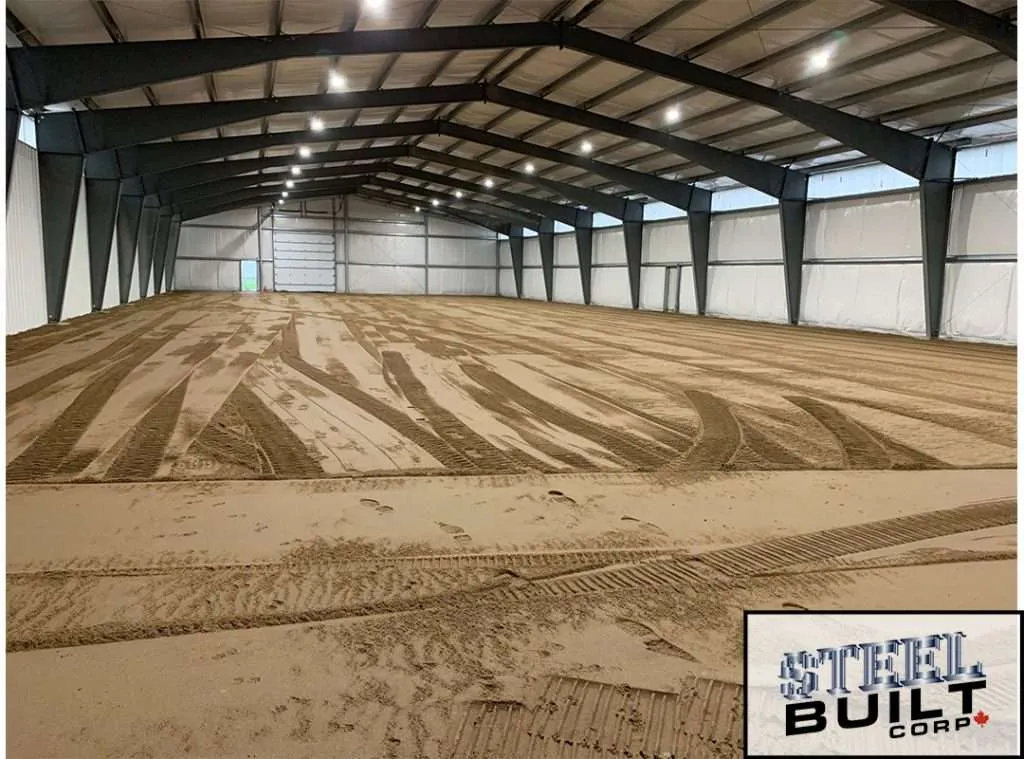
Creating a horse riding arena is a significant investment that brings immense benefits to equestrians. No longer limited to competitive facilities, riding arenas are now a staple for private ranches and small farms alike. A well-designed arena enhances training, safety, and comfort for riders and horses. Whether your vision involves a DIY horse arena or a full-service professional installation, meticulous planning is crucial.
This guide will walk you through everything you need to know, from defining your needs to selecting materials and customizing the features of your dream indoor equestrian arena. For engineered, clear-span options, see our indoor riding arenas.
Defining Your Needs and Vision: Laying the Foundation
Understanding the purpose of your horse arena drives many of the decisions you'll make. Consider these questions:
-
What riding disciplines will you accommodate? (Dressage, jumping, Western, general riding, etc.)
-
Is the arena intended for private use, training lessons, boarding, or hosting competitions?
-
How many horses and riders will use the space daily?
-
Are you planning any future expansions or additional features?
Establishing a realistic budget is also vital. Account for both initial construction costs and ongoing maintenance. Explore financing options or potential grants specific to Ontario. Also, weigh the long-term cost-effectiveness of each building material, especially steel, which is durable and low-maintenance.
Location and Site Assessment (Ontario Specific)
Selecting the right location requires special consideration in Ontario.
Zoning and Permits
Zoning regulations vary across Ontario municipalities. Ensure your project complies with local requirements and obtain the necessary permits. A 100% Canadian horse arena builder like SteelBuilt Corp. can simplify this process.
Site Conditions
Evaluate the soil conditions and plan drainage systems to prevent flooding or footing issues. A flat area will minimize grading work and potentially reduce costs. Ensure users have year-round access to horses, riders, and equipment.
Utility Proximity
Having access to water and electricity is essential. Factor this into your site selection to avoid costly utility accommodations later.
Exploring Steel and Other Building Material Options
So how do you know which materials would be best for your custom horse riding arena? Consider these popular building materials.
Steel Construction
Steel is often the best material for indoor horse riding arenas, offering a range of benefits including:
-
Durability: Resistant to rot, warping, and termites.
-
Fire-Resistance: Ensures safety for horses and riders.
-
Low Maintenance: No repainting or frequent repairs are needed.
-
Fast Construction: Pre-engineered kits streamline timelines.
-
Ontario Climate Friendly: Withstands heavy snow loads and harsh winters.
Wood Construction
While wood has traditional charm, it demands regular upkeep. Given Ontario’s weather conditions, it may lack the longevity and resilience needed for long-term functionality.
Hybrid Options
Combining steel and other materials can achieve a balance between aesthetics and strength, though steel riding arenas remain the optimal choice due to their durability.
Choosing the Right Steel Arena for Your Needs
Every type of riding arena serves a different purpose, so consider the following comparison:
| Feature | Indoor Steel Arenas | Covered Steel Arenas | Outdoor Steel Arenas |
|---|---|---|---|
| Climate Protection | Excellent: Blocks snow, rain, cold, heat. Potential for heating. | Good: Shelters from snow/rain. Limited cold/wind protection. | Minimal: Exposed to all weather. Often unusable in winter. |
| Year-Round Use | Maximum: Consistent use regardless of season. | Extended: Usable in more conditions than outdoors. Less so in deep winter. | Limited: Heavily dependent on favourable weather. Short usable seasons. |
| Footing Consistency | High: Easier to maintain optimal footing year-round. | Moderate: Protected from direct snow/rain, but edges can freeze. | Low: Susceptible to freezing/thawing, rain, and mud. High maintenance. |
| Natural Light/Ventilation | Controlled: Requires designed lighting & ventilation. | Good: Natural light with shade. Open sides for ventilation, but cold/wind entry. | High: Abundant natural light & airflow in good weather. Can be harsh. |
| Initial Cost | Highest: Enclosure, roofing, insulation (often), heating potential. | Moderate: Primarily roofing structure. May have partial walls. | Lowest: Primarily just the riding surface/fencing. |
| Maintenance Cost | Moderate: Lower footing, higher system upkeep (lights, heat). | Lower: Less structure to maintain. Footing maintenance can be challenging with freeze/thaw. | Highest: Footing requires constant attention, especially after winter. |
| Primary Benefit (ON) | Year-round riding, protection from harsh Ontario winters. | Shelter from snow/rain, more affordable than indoor. | Lower initial cost. |
| Primary Drawback (ON) | Highest initial investment. | Limited protection from cold and wind in winter. | Limited usability due to long winters. High footing maintenance. |
If you’re anticipating Ontario’s harsh winters, an indoor insulated horse arena is ideal for guaranteeing year-round riding.
Design and Layout: Creating a Functional Space
Below are some tips for creating a functional equestrian arena.
Arena Size
Your arena’s dimensions should align with its use:
-
Private Riding: 60 x120 ft.
-
General Training: 70 x 150 ft.
-
Competitions: 80 x 200 ft. or larger
Indoor steel arena buildings also need a clearance of at least 14 to 16 feet to accommodate riders and horses comfortably.
Roofing and Ventilation
Proper airflow and roof design are essential for indoor arenas, particularly in Ontario’s varying humidity. Choose roof styles that promote light and ventilation while maintaining structural integrity.
Footing and Base
A well-prepared base ensures safety and performance while reducing maintenance. Popular footing materials include sand, rubber, and wood chips. It’s also important to invest in proper drainage systems to support year-round usability.
Optional Features
To take your indoor equine arena construction to the next level, consider adding these optional features to enhance functionality:
-
Mirrors for training
-
Climate control (heating and cooling)
-
Tack rooms, stables, or viewing lounges for added convenience
-
Large doors for equipment access and horse safety.
-
Viewing areas and access for spectators (if applicable).
SteelBuilt Corp – Your Ontario-Based Steel Arena Experts
At SteelBuilt Corp., we specialize in high-quality steel horse riding arenas tailored to Ontario's unique environment. We are a 100% Canadian company and we understand the unique needs and climate considerations of Ontario equestrians. We also offer:
-
Local Support: We have expertise in zoning and permits specific to Ontario municipalities and support the local economy.
-
Detailed Designs, Free of Charge: Visualize your ideal arena with our free, detailed drawings, tailored to your specific requirements.
-
Complete Project Management: From initial planning to final construction, we manage the entire project, ensuring a smooth and efficient build.
-
Canadian-Made Steel Buildings: Metal riding arenas are certified to meet all local regulations, ensuring smooth permitting.
Whether you're building an arena for recreational use, competitions, or boarding facilities, we ensure your vision becomes reality.
Construction Options: DIY Kit vs. Full-Service Build
Building your dream arena shouldn't be a headache. We offer comprehensive services, guiding you through every step:
-
Recommended if you prefer expert guidance and a stress-free experience.
-
Covers everything from design consultation to permitting and construction.
-
Ensures compliance with building codes for safety and durability.
For those who prefer a hands-on approach, SteelBuilt Corp. also offers customizable DIY steel building kits and prefab horse arenas:
-
Perfect for experienced builders or those with access to contracting help.
-
Includes pre-measured and precut materials for easy assembly.
-
Great for tight budgets or rural locations.